

What Care Workers Day reveals about whose labour counts
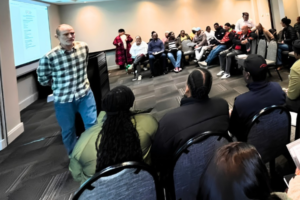
Care Workers Day, held on 7 February 2026, was a success, because care workers made it so. The energy, dignity, and quiet pride that filled all the spaces were not manufactured by a programme or an agenda; they were carried in by the very people whose labour sustains homes, communities, and institutions every single day.
Care work is often misunderstood. It is routinely framed as work that requires “little skill,” something one can simply “learn on the job.” This perception has long shaped how care workers are treated, remunerated, and recognised. Yet anyone who has witnessed the patience required to support a child with special needs, the emotional intelligence demanded in moments of crisis, or the physical stamina necessary for long hours of support knows that care work is neither simple nor incidental. It is skilled, embodied, and deeply relational labour.
Recognition, in this context, must be understood as more than applause. It is not only about appreciation events or words of gratitude. True recognition translates into economic value, access to training and development opportunities, pathways for career progression, and inclusion in national conversations about labour and dignity. It means acknowledging care work as essential work.

In South Africa, certain professions are formally recognised through nationally observed days, Teachers’ Day, Nurses’ Day, and other commemorations that affirm their place in the social fabric. These recognitions matter. They signal whose labour is seen, validated, and institutionally affirmed. When care workers are excluded from similar levels of visibility, the absence itself becomes telling. It reflects longstanding hierarchies about which forms of work are deemed “professional,” and which are treated as informal, supplementary, or secondary.
Care Workers Day therefore becomes more than a celebratory occasion. It becomes a moment of reflection. It asks us to consider not only how we appreciate care workers, but how we structurally value them. Whose labour counts? Who benefits from being named essential, and who continues to operate in the background, indispensable yet overlooked?
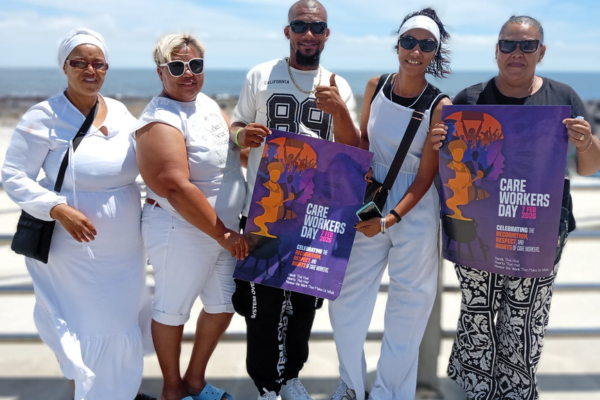
The success of this year’s Care Workers Day was not simply in the programme delivered or the attendance recorded. It was in the collective affirmation that care work matters. That those who carry the emotional and physical weight of care deserve not only applause, but tangible recognition.
If we are serious about building institutions and communities grounded in dignity, then our recognition must move beyond symbolic gestures. It must translate into sustained investment, professional development, fair remuneration, and policy inclusion. Care without applause has sustained our systems for generations. The question now is whether we are willing to transform that silence into meaningful acknowledgement.