Thousands of women keep communities alive through care: teaching young children, preparing meals at schools, and tending to family health. Their work sustains families and builds the foundations of our nation, yet it remains undervalued and invisible in budgets, policy, and public conversation.
At the Labour Research Service (LRS), our initiative to transform public care work programmes starts with a simple idea: visibility begins with self-recognition.
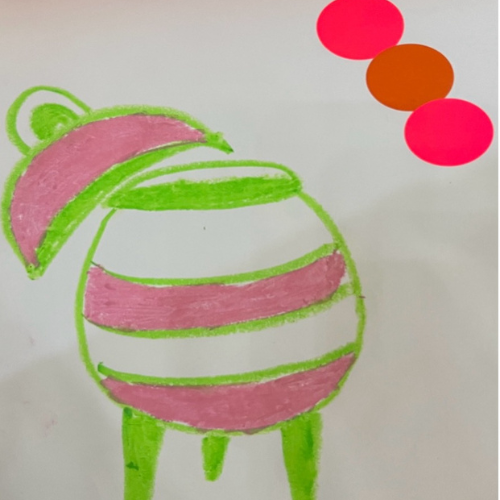
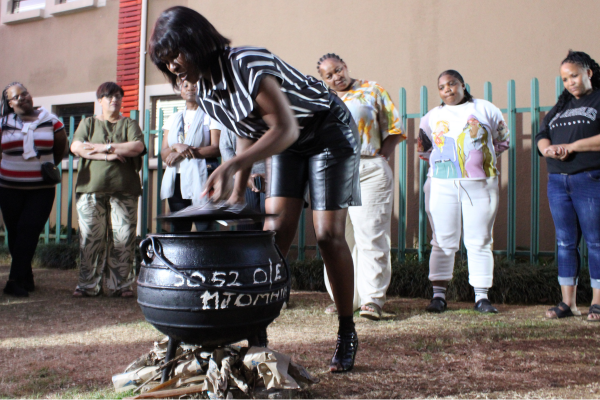
The three-legged pot: A symbol of care
We use the symbol of a three-legged pot to represent the interdependence of care work. Just as a pot cannot stand without all three legs, the social sector of the Expanded Public Works Programme (EPWP), a government initiative providing job opportunities in disadvantaged communities, relies on its pillars: Community Health Workers, the leg of health; Food Handlers, the leg of nourishment; and Early Childhood Development (ECD) Practitioners, the leg of growth and learning.
The fire beneath the pot symbolises the energy of communities and State support. The pot cannot cook without fuel, and that fuel is recognition, decent work, and fair pay.
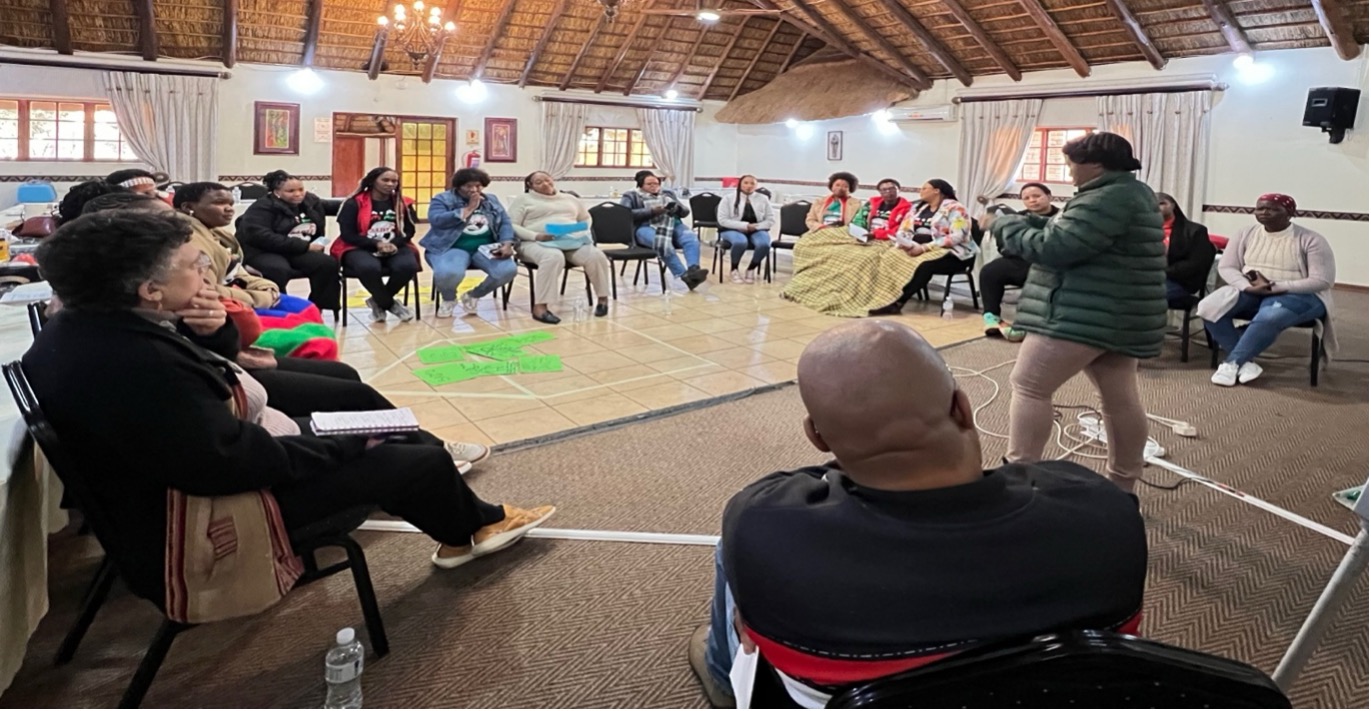
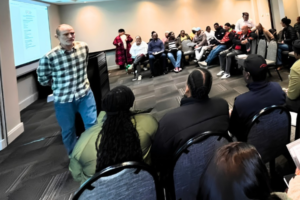
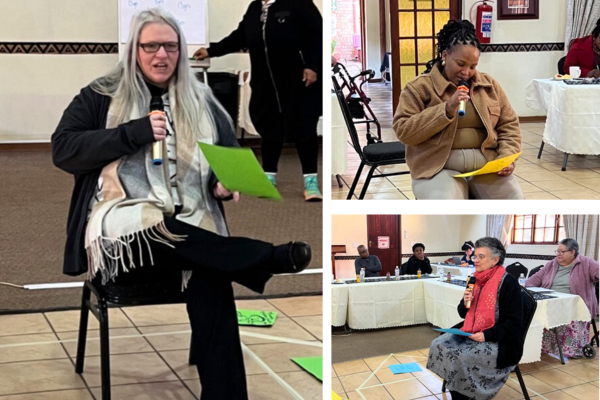
In August 2025, LRS and the South African Democratic Teachers’ Union (SADTU) brought together ECD Practitioners from across the country for a two-day workshop to strengthen their collective voice in the struggle for decent work. This engagement is part of our efforts to establish a national platform uniting three groups of care workers to advocate for decent work within the EPWP.
Naming ourselves: The power of a title
We began by exploring what job titles mean. A title signals value, dignity, and the kind of rights a worker can claim. When ECD Practitioners are called “babysitters” “helpers” or “volunteers,” their labour is diminished, their benefits disappear, and their work is treated as a favour rather than a profession.
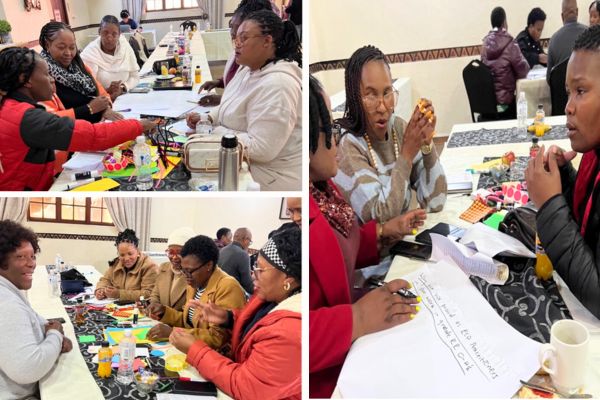
The workshop opened with an exercise called “locating ourselves,” a participatory activity grounded in care, feminist ethics, and collective learning.
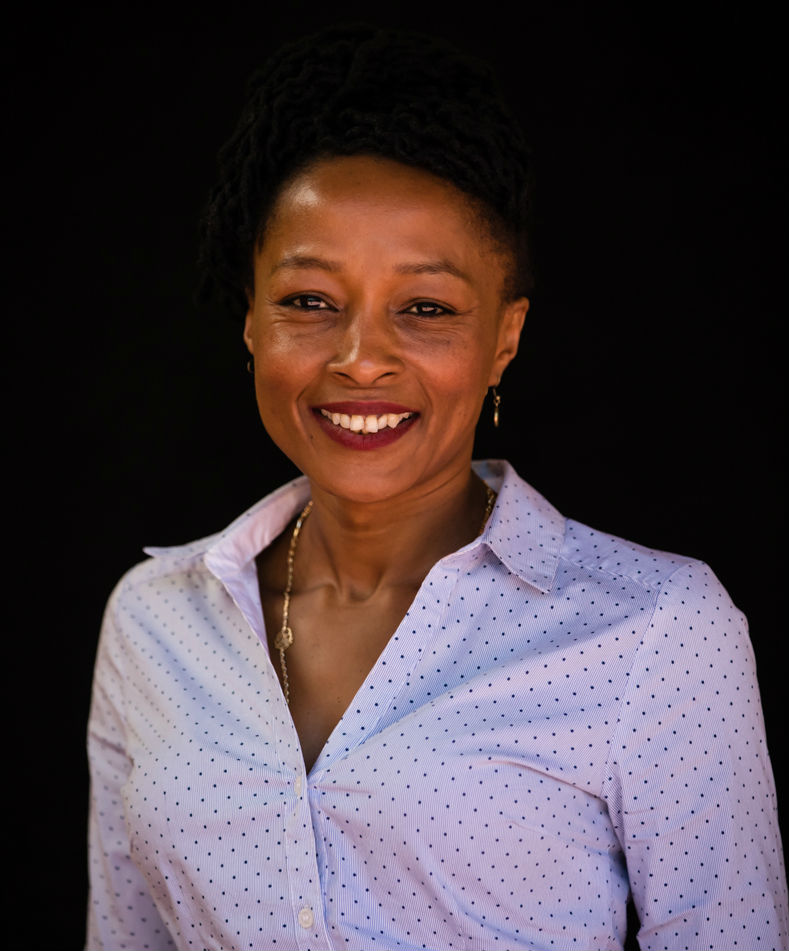
“By naming who we are, where we come from, and what we bring into this space, we begin to see the histories and struggles that shape our work. We show how personal experience, professional identity, and collective struggle intersect.”
— LRS facilitator
Participants located their stories within three symbolic houses: the ECD house, the SADTU house, and the LRS house, and reflected on what they wanted to be called by their communities, schools, and the Department of Basic Education.
SADTU House, ECD House and LRS House
Valuing our work: Stories as a declaration of dignity
Early childhood education is where the emotional, cognitive, and social foundations of every child are built. Practitioners are not merely caregivers but skilled educators and community builders who lay the groundwork for lifelong learning and gender equity. Yet this work remains among the most invisible and underpaid. The ECD sector is largely feminised and informal, and often treated as an extension of women’s domestic labour.
By recognising their value, ECD practitioners challenge that narrative. They affirm that care work is skilled work and it is decent work.
“When we see our worth, we carry ourselves differently, and others start to see it too. Our confidence inspires children, parents, and communities to support our struggle.”
— LRS facilitator
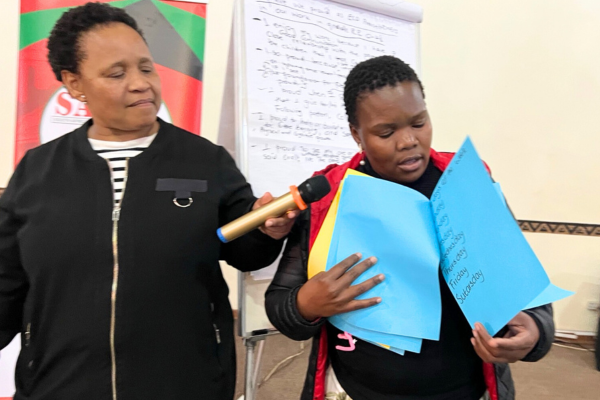
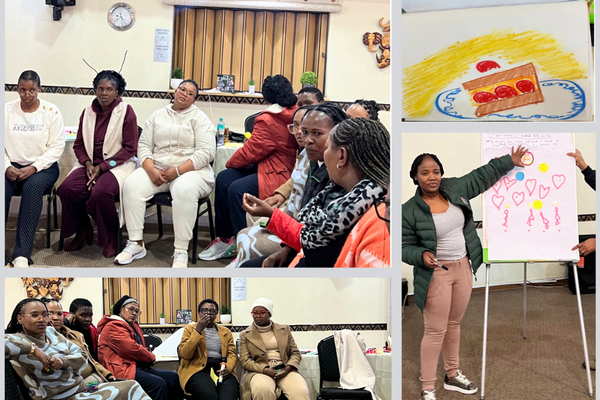
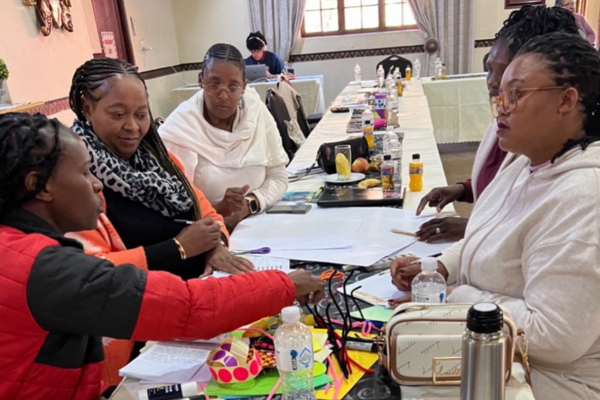
Participants formed three groups – rural ECD centres, urban ECD centres, and Grade R classrooms – and created storybooks highlighting the everyday magic of their work.
Stories as a declaration of dignity: “We are proud of our role as ECDP’s because…”
Rural ECD centres group developed a workbook featuring a rondavel, a large black pot, and farm animals, placing their care work at the heart of community well-being. Their story targeted parents, challenging the notion that parents are disengaged and showing how ECD centres and families can work together. “I am proud because we have good communication with the kids. We help them build strong social, emotional, and cognitive growth.”
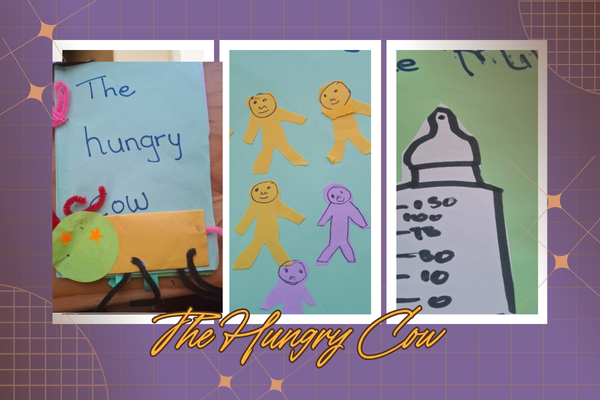
Urban ECD centres group created The Hungry Cow, a colourful, textured storybook designed to stimulate children’s senses and teach early cognitive skills. The group used storytelling and performance to demonstrate the power of play in building emotional intelligence and learning, even in the absence of a formal curriculum.
“The department says there is no curriculum because our sector is not compulsory. Yet we are the first to identify the challenges children face, which is crucial for early intervention.”
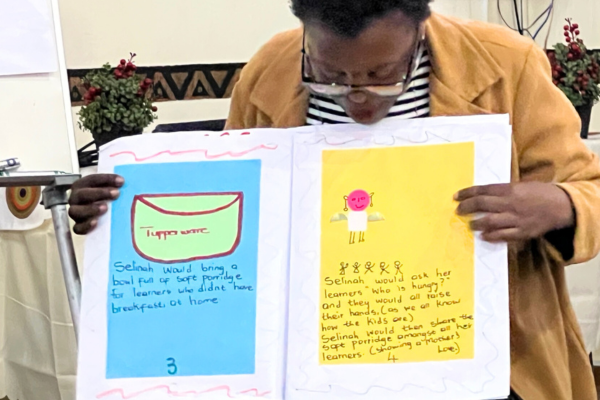
Grade R practitioners opened their presentation with a song and the image of the three-legged pot, reminding everyone that the child connects the care workers in the EPWP. Their book, Little Minds, follows teacher Selina, who knows that children can’t learn when they are hungry. She turns mealtime into a lesson, using porridge to teach counting, colours, and language. The policy calls for one educator for every 25 learners, but practitioners reported classes of up to 40 children.
Creating advocacy stories
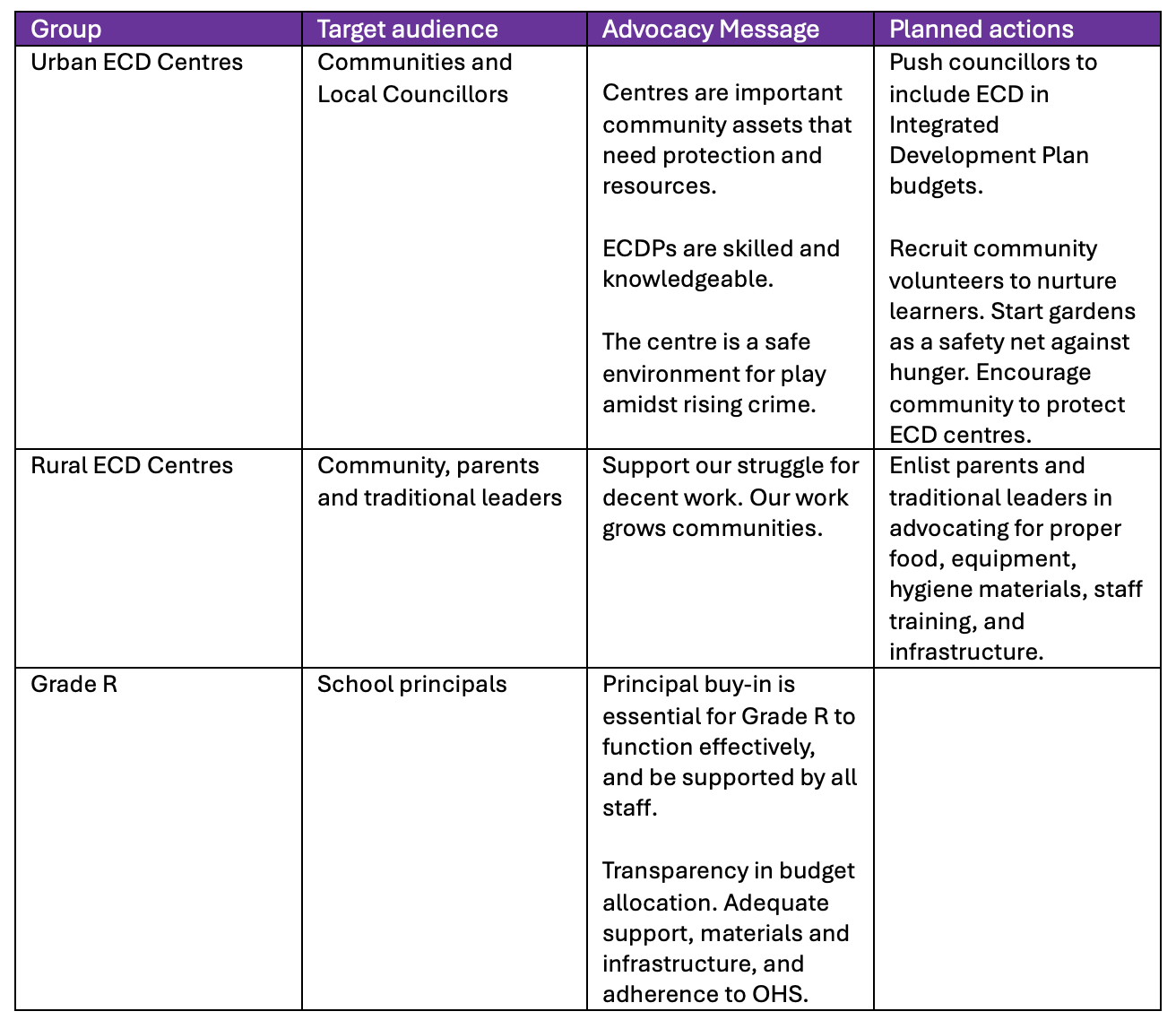
Advocating for decent work and valuing one’s role as a worker can be achieved by sharing stories with different role players. Stories connect at the heart level, shift thinking, mobilise action, and affirm the dignity of both the ECD practitioners and the children they serve. This exercise introduced a structured way of thinking about campaign messaging. Practitioners created messages targeting various role players.
The role of SADTU
The South African Democratic Teachers’ Union (SADTU) advocates for ECD practitioners through collective bargaining and legal action. The union has a draft collective agreement with funding and upskilling for ECD Practitioners. The union supported ECD Practitioners to ward off retrenchment threats for lack of qualification by the Department of Employment and Labour. SADTU also advocates for Recognition of Prior Learning and having ECD Practitioners in PERSAL system.
SADTU promotes the value of women’s work and care work. It wants to change the narrative about the role of Food Handlers and ECD Practitioners in schools.
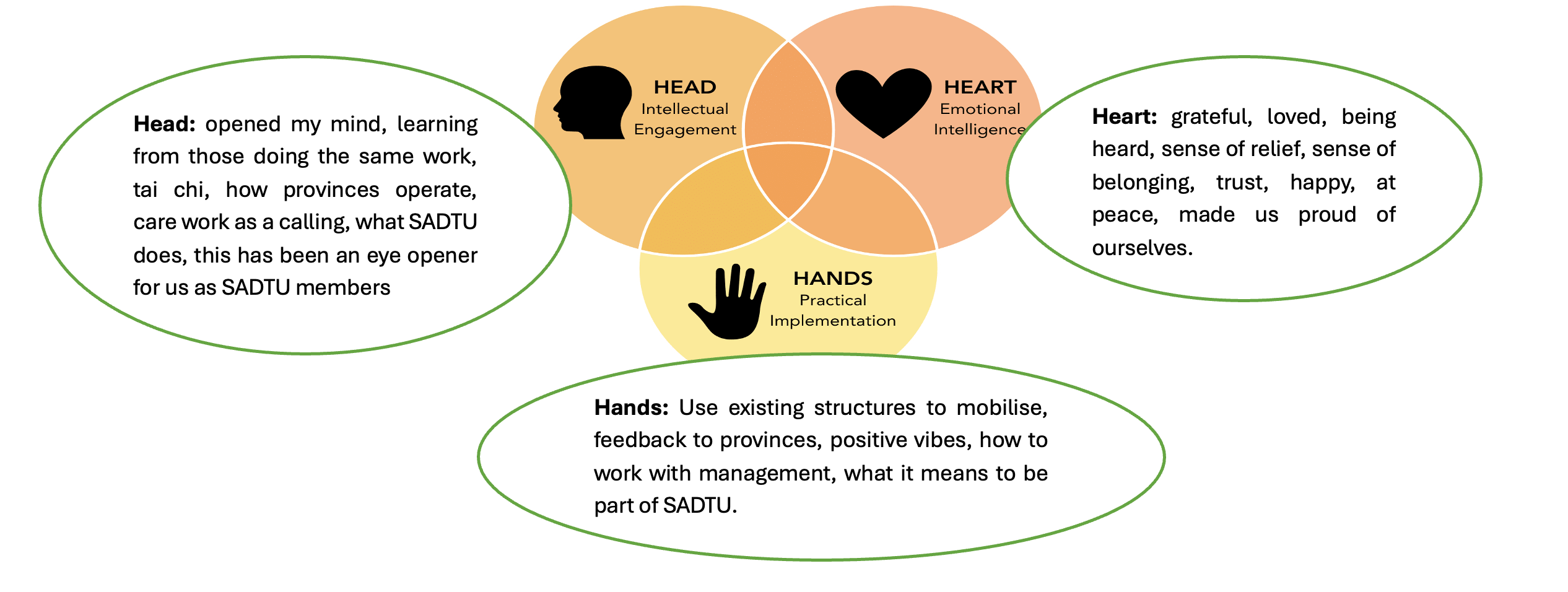
Head, heart, hands evaluation
ECD Practitioners made visible the value of their work, and what actually happens in classrooms.