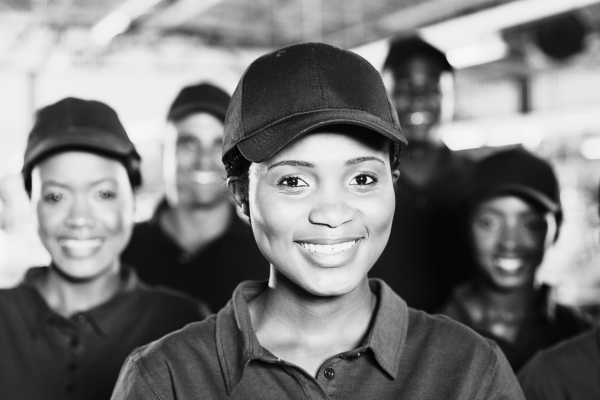
The story of how young women in South Africa’s service sector are opening doors, creating safe spaces, and transforming both their own lives and the trade union movement that is beginning to welcome them.
"Through the Decisions for Life Campaign we have gained a deeper insight into the levels of stress, anxiety, fear and often despair that young women workers confront daily — and the hope, enthusiasm and energy they carry alongside it."
— Labour Research Service, 2011
The world young women are entering
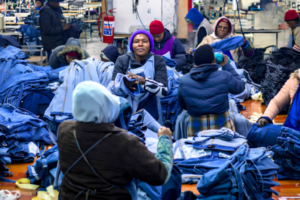
The onset of a prolonged economic crisis in 2008 deepened gender inequalities across society and within the workplace. For the majority of young women leaving school, the prospect ahead was unemployment, or low-paid, part-time and insecure work in retail, hospitality, cleaning, and call centres.
A young woman entering any one of these sectors faced discrimination on the basis of her age, gender, and race — even in a country with legal protections. The challenges of inexperience, limited workplace networks, and scarce knowledge of labour rights compound the cultural silencing young women already experience.
Young women fill the long, poorly-paid shifts in call centres. They work in casinos and hotels where sexual harassment is rife, in shops where dismissal requires no justification. As the pressure for profitability intensifies, working conditions deteriorate, and with them, the dignity of the workers inside.
The burden
The economic crisis caused the State to cut back on childcare, public transport, and healthcare — the services young women depend on most as single parents and caregivers.
- Leaving for work uncertain their children are properly cared for
- Returning late at night in unsafe transport
- Forced to stay home when family members fall ill
- Denied maternity and family responsibility leave
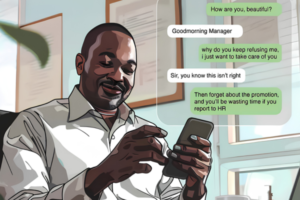
- Subjected to sexual harassment in client-facing roles
Many young women who are single parents, breadwinners and caregivers to extended families found the burden multiplied, with their private and working lives in constant, exhausting collision.
Yet through the Decisions for Life campaign, groups of young women expressed hope, enthusiasm and energy, both individually and collectively. This transformation is the campaign’s legacy.
The Decisions for Life campaign is born
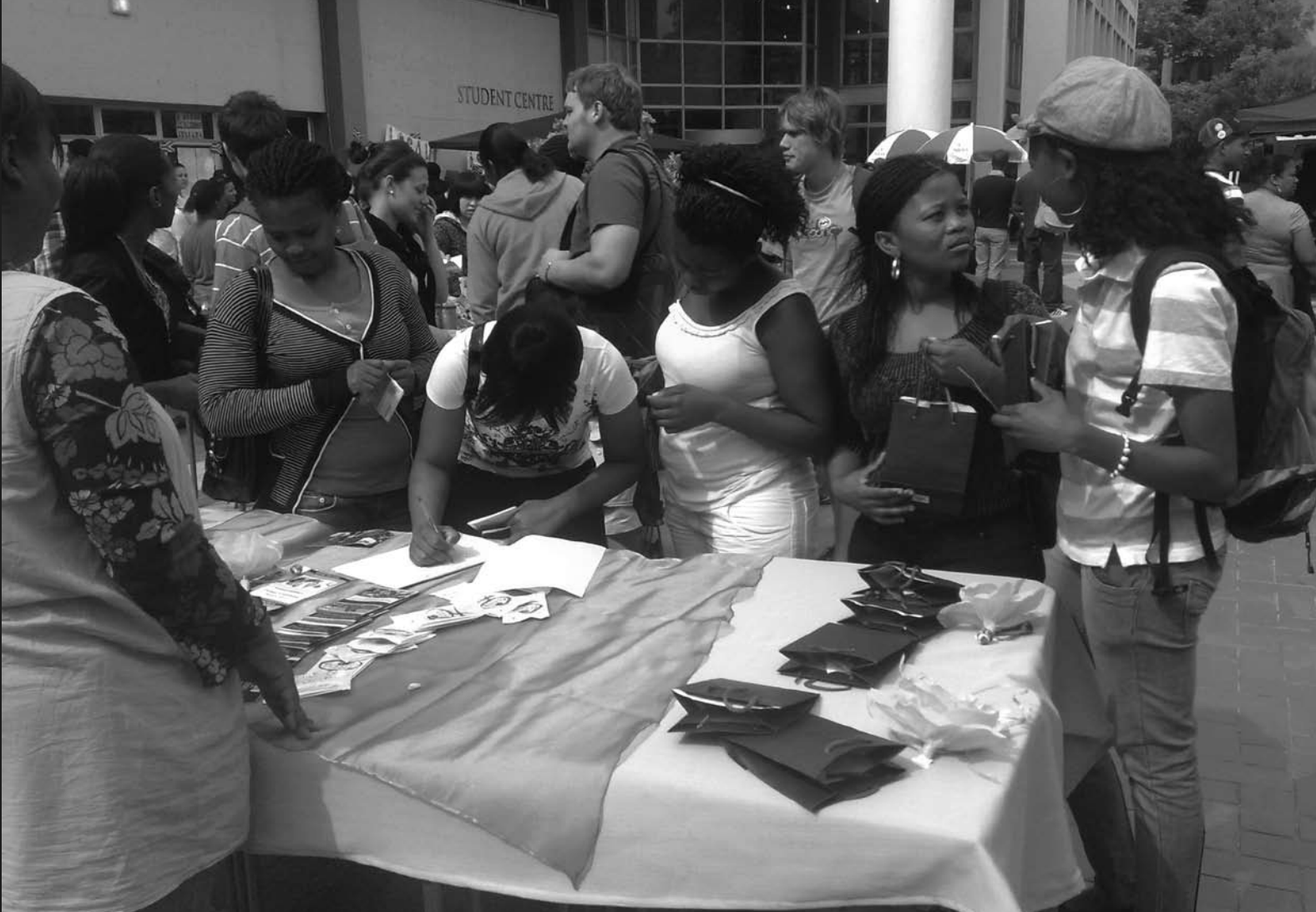
In March 2009, representatives from South Africa’s four trade union federations gathered with service sector unions affiliated to UNI Global Union to officially launch the Decisions for Life Trade Union Campaign. The name itself felt unusual — not the language of strikes or wage demands, but of something more intimate: decisions. Life decisions. Women’s decisions.
The campaign targeted young women in the service sector between the ages of 15 and 29, part of a broader global Decent Work, Decent Life for Women Campaign, coordinated by the International Trade Union Confederation (ITUC) across 12 countries.
In South Africa, the Labour Research Service (LRS) The Labour Research Service supported over 1,000 participants.
Campaign geography
The Campaign spread across South Africa, with coordinating teams in each province drawn from four trade union federations.
- Johannesburg, Gauteng — August 2009 launch
- Cape Town, Western Cape
- Polokwane, Limpopo
- Durban, KwaZulu-Natal
- COSATU, FEDUSA, NACTU and CONSAWU
- 12 countries globally via ITUC
The issues that define the campaign
1. Bodily autonomy | Sexual and reproductive rights
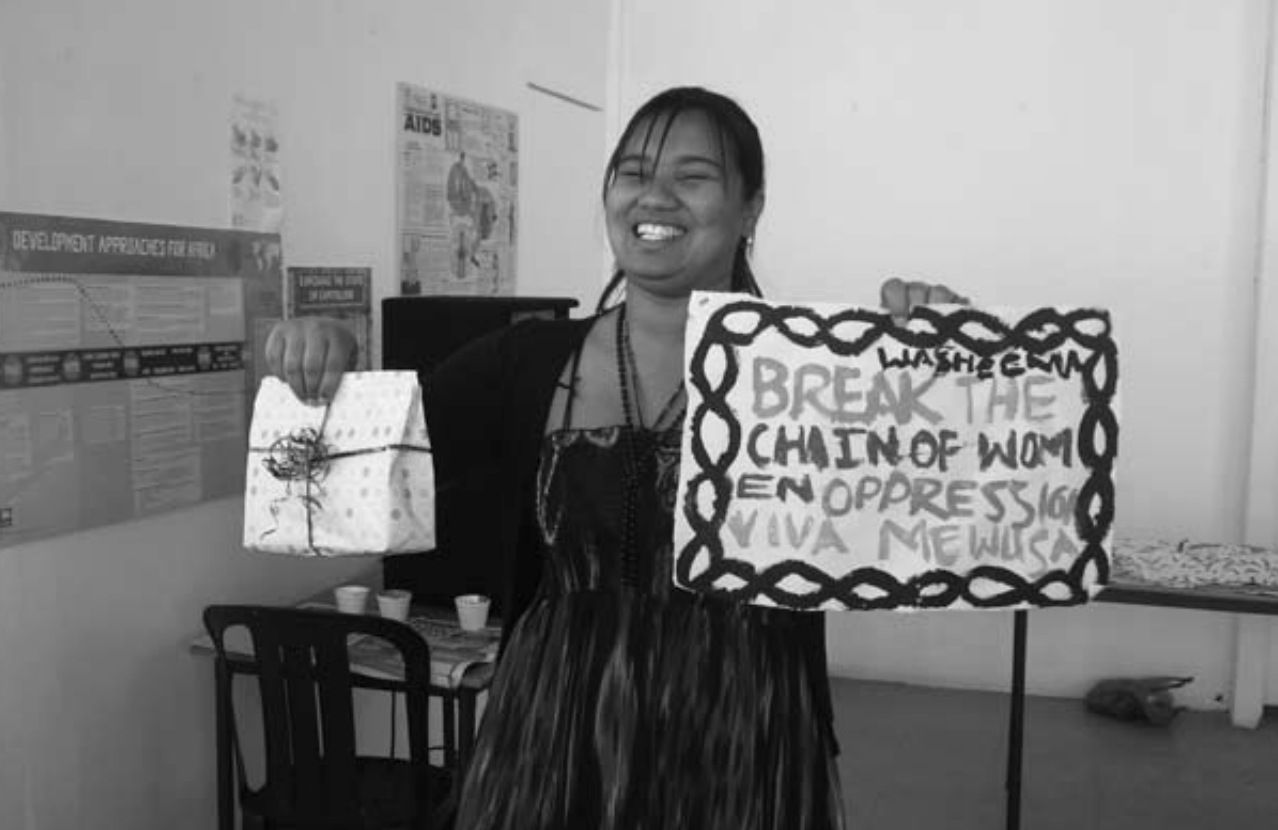
A recurring theme in young women’s stories was physical vulnerability — sexual harassment and a felt absence of power over their own bodies. Safe spaces were created for women to speak openly. Femidom demonstrations opened new conversations about agency, HIV, and sexual health, moving young women from speaking as victims to speaking as active agents.
2. Labour rights | Young women's rights in the workplace
Young women in casual and part-time work struggle to access maternity protection, family responsibility leave, and occupational health measures. The Decisions for Life campaign raised awareness of existing legislation and built a grassroots momentum for the South African Government to ratify ILO Convention 183 on maternity protection.
3. Employment | Empowering young women seeking employment
Community forums, focus groups, and information sessions in tertiary institutions brought together young women not yet in work. Many entered the forums feeling insecure and desperate. The goal was to ensure they enter the workplace knowing their rights, with stronger self-esteem, and less likely to accept exploitative conditions out of necessity.
4. Voice and culture | Writing, drama and cultural expression
Stories, press statements, poetry, drama, music and dance were central campaign tools. Women writing their own stories was a step toward creating public platforms where the voices of young women are heard. Cultural expression build solidarity and belonging.
"Before it was difficult for me to speak out. Through the union and the Decisions for Life Campaign I learnt about sexual harassment — and I took big decisions in my personal life."
— Young women worker, Johannesburg, 2011
A safe space is a space where one can talk freely knowing that people will not judge you… DFL monthly meetings became a safe space for young women to open up. It feels like home."
— Young women worker, Johannesburg, 2011
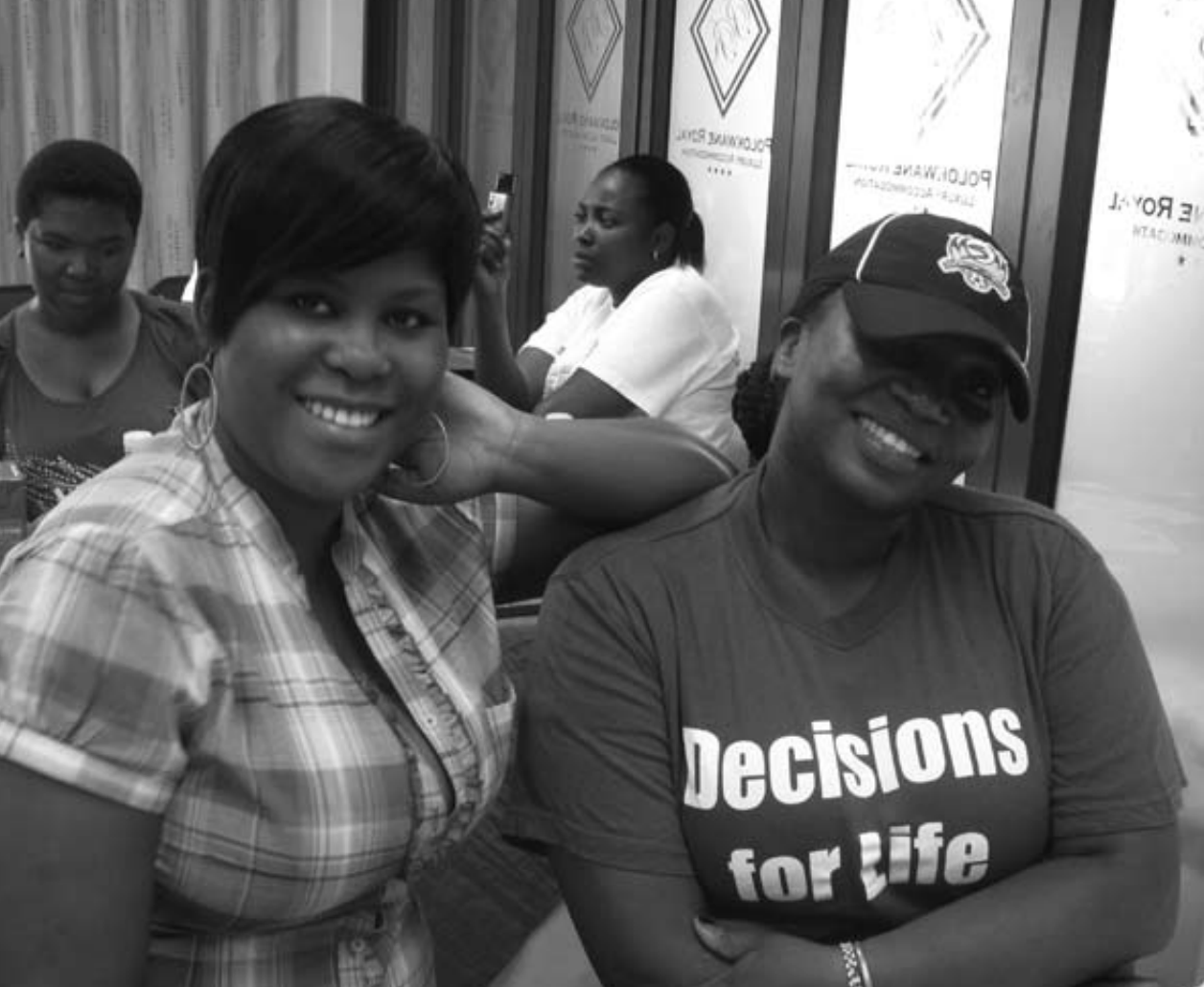
"I am now organising young women with a purpose. This is not about just wearing the t-shirt. Before, recruitment was an obligation. Now I have a bigger purpose."
— Union organiser
"I can now stand my ground, even if they put me down."
— Campaign participant
I cannot imagine us not doing the exercises. The exercises make me feel so much better and I think we are able to change the atmosphere in the room." Campaign Team Member · Johannesburg
— Campaign Team Member
"First you stand up for yourself and then you are better able to stand up for others."
— Trade union member
How we work — the LRS methodology
The LRS approach grew through years of engagement with women’s groups, trade unions, and partner organisations — refined through a 2007 baseline study on gender and collective bargaining.
Achieving gender equality requires change at multiple levels simultaneously, from individual consciousness to systemic trade union culture. Focusing only on getting women into leadership positions, without shifting deeper norms, produces limited results.
Creating safe spaces
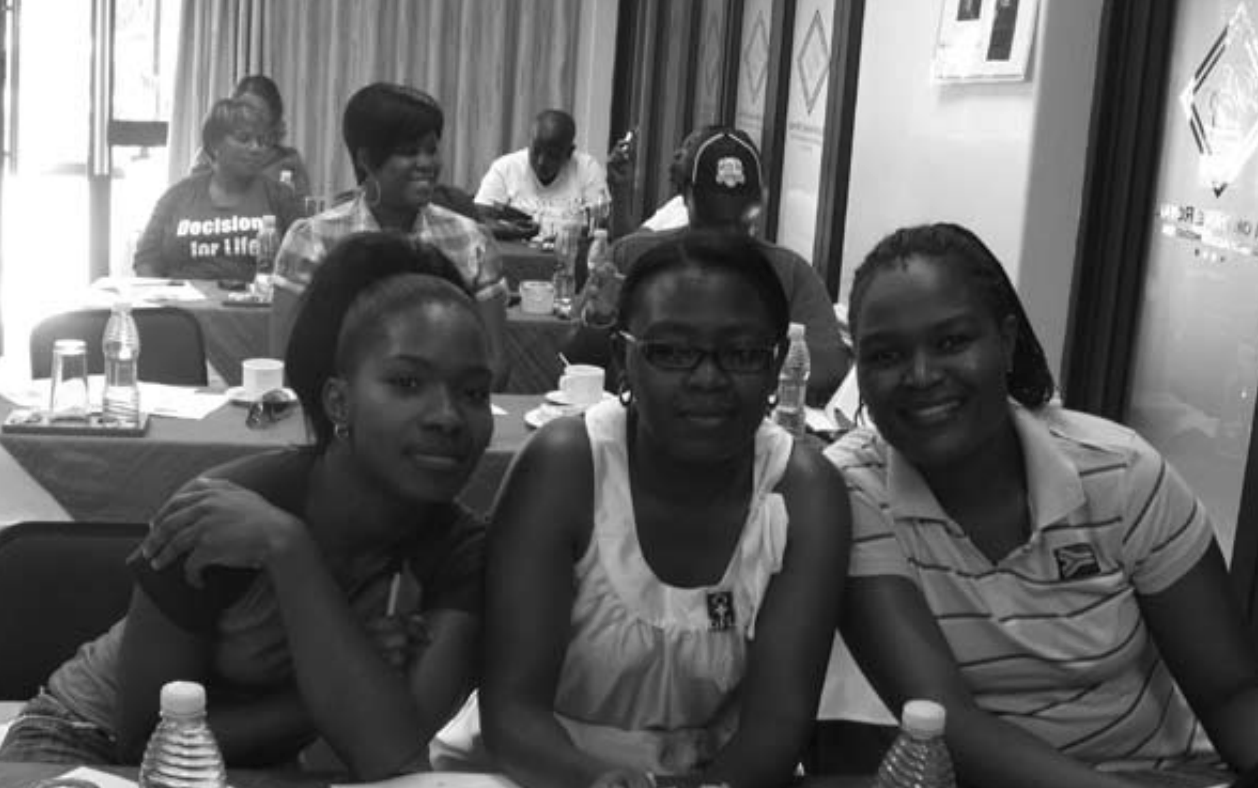
Campaign coordinating team meetings were non-judgmental spaces where women from different federations and trade unions developed codes of good practice. Venues rotated between federations, breaking down political barriers through shared physical experience.
Mind-body practice (Capacitar)
Each meeting began with Tai chi and relaxation exercises drawn from capacitar. Initially surprising in a trade union context, these exercises quickly became a ritual and created focus, emotional openness, and a sense of collective strength. The exercises helped participants reconnect to their bodies, build trust, and be fully present.
Building personal and collective power
Empowerment is not a linear process. Through consciousness-raising, skills development, and on-going struggles against patriarchal power relations, the campaign built power as “the ability to empower and transform oneself, others, and the world.” Personal growth and collective energy are treated as a single inseparable process.
Participatory action research and storytelling
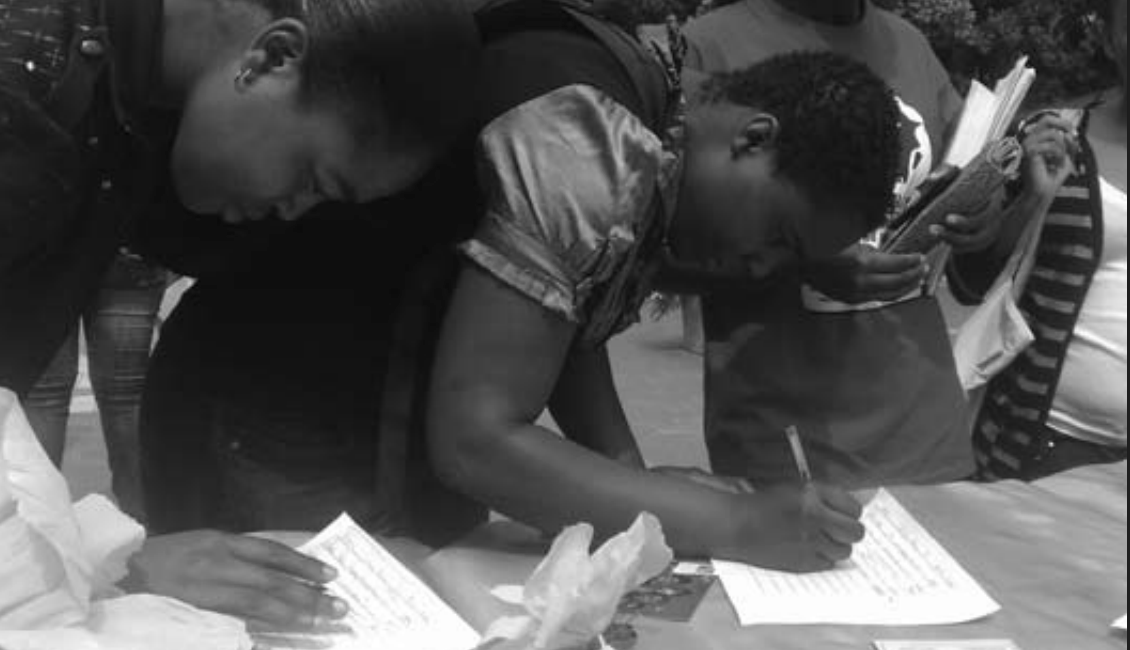
Young women write their own stories, press statements, and poetry. Their voices become the research itself. This methodology treats women’s voices as a primary resource for developing organisational strategies and authors of their own campaign.
"Women in vulnerable forms of employment need to be their own agents of change. Reproductive work, which is essential for sustaining society, needs to be the shared responsibility of both men and women."
Lessons
"The Decisions for Life Campaign has been an exciting and inspiring experience. We have learnt a great deal about young women workers, their hopes, their dreams, and their extraordinary strengths."
— Trade union leader
- Decisions for Life: Breastfeeding
- Decisions For Life: Decent work and contracts
- Decisions For Life: Sexual harassment
- Decisions for Life: Sharing our Stories and Strategies
- Decisions For Life: Campaign Guide
- Decisions for Life: Empowering women workers
- Decisions for life trade union campaign | Bargaining Monitor (May 2011)